• Home
  • S H O P
  • B L O G
Menu

Gentle Meadows

TRADITIONAL CHILDREN'S CLOTHING
  • Home
  • S H O P
  • B L O G
Stinging Nettle Dried

Stinging Nettle Infusion - Mineral Load

May 15, 2017

What are Stinging Nettles?

Stinging nettle (Urtica dioica) is an herb that has a long medicinal history. Stinging Nettle has fine hairs on the leaves and stems that contain very irritating (stinging) chemicals which are released when it comes in contact with the skin.  I remember hiking to the river as a young girl and getting stung by these powerful plants.  Although this plant has stinging hairs, according to the University of Maryland Medical Center, it has been used for hundreds of years to treat painful muscles and joints, eczema, arthritis, gout, and anemia. Today, many people use it to treat urinary problems during the early stages of an enlarged prostate.  It is also used for urinary tract infections, hay fever (allergic rhinitis), or in compresses or creams for treating joint pain, sprains and strains, tendonitis, and insect bites.

What are the benefits of stinging nettle?

A surprisingly nutrient dense herb, nettles provide an excellent source of calcium, magnesium, potassium, iron, chlorophyll, beta carotene, phosphorous, zinc, chromium, B vitamins, chlorophyll and other trace minerals including selenium, silicon and manganese. The high concentration of minerals supports the building of strong bones, muscles, teeth, nervous system; as well as hormones, kidney, adrenal and immune systems. The anecdotal testimonies of improved health and well-being from adding herbal infusions to a healing protocol or a healthy lifestyle, are numerous. 

How do I consume Stinging Nettle?

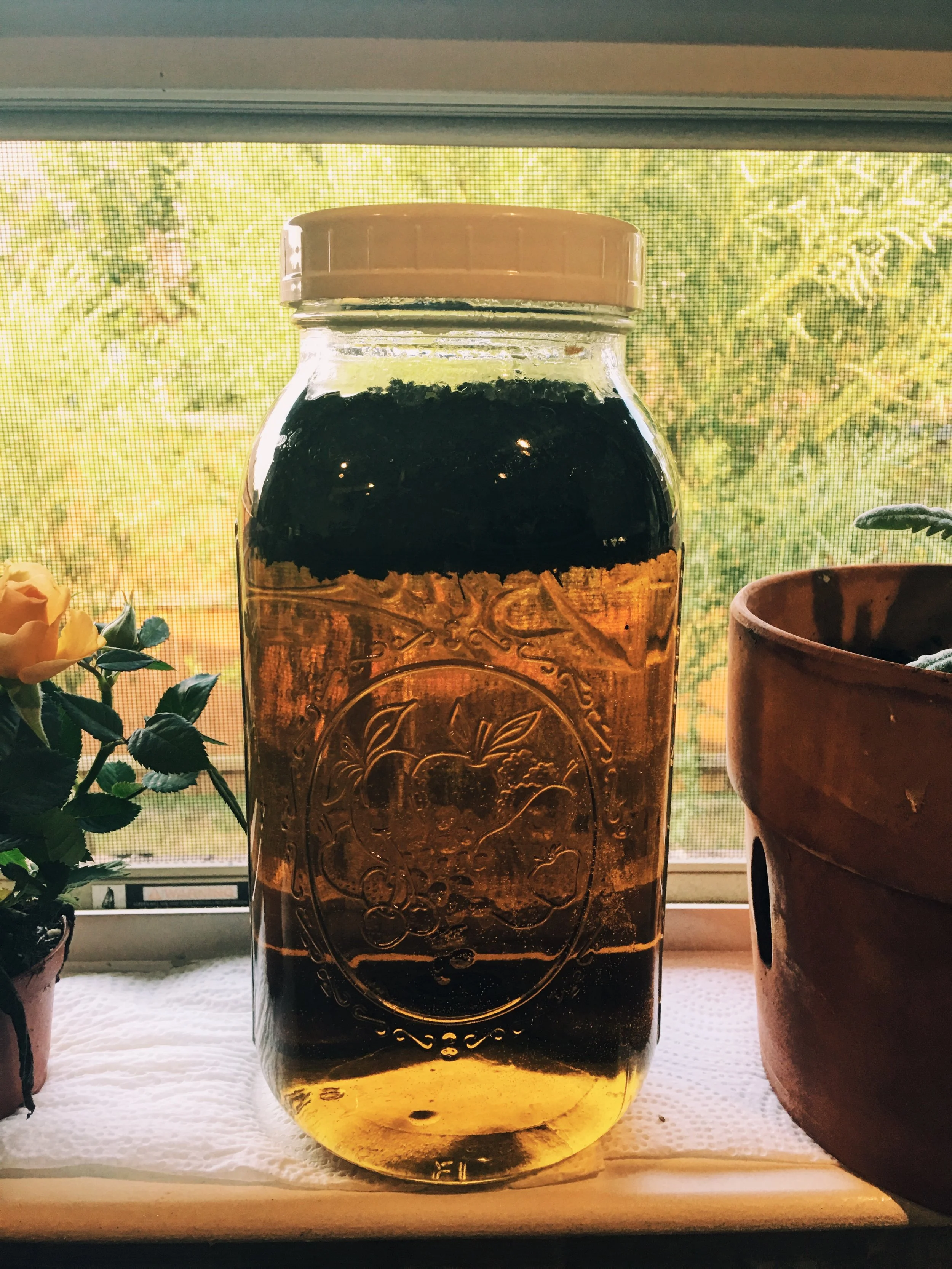
Many harvesters of stinging nettle consume nettle just like spinach and add the leaves into a stir fry. You will have to take caution (wear gloves) when harvesting and preparing them, but once cooked the ability to sting is gone and you have a delicious and nutrient dense powerhouse to add to your meal plan.  Stinging nettle is also available as dried leaf, freeze-dried leaf, extract, capsules, tablets, and as root tincture (a solution of the herb in alcohol), juice, or tea.  I prefer to consume this powerhouse weed, as some call it, by making an infusion.  An infusion is simply a process of soaking the leaves in filtered water.  

Here's how:

  • Boil 1 quart of filtered water

  • Place 1 ounce of dried organic stinging nettle in the bottom of a glass quart sized jar.  See below for where to purchase dried stinging nettle.

  • Pour boiling water over the stinging nettle until the jar is full.  You can place a butter knife across the top of the jar to help diffuse the heat and avoid breaking the jar.

  • Let steep for 4-8 hours. Some prefer to let it sit overnight.

  • Strain the nettle from the infusion and enjoy.  

  • Place your used nettles in your compost bin!

  • I prefer to drink my nettle infusion cold so I store in the refrigerator immediately.  

  • You can store the infusion for up to 72 hours, if refrigerated.  What you are unable to consume you can use to water your house plants.  They will love the minerals, too!

  • I consume approximately 3-4 six ounce glasses per nettle infusions, per week.

Stinging Nettle Making
Stinging Nettle Strained

Are there any considerations or precautions?

The use of herbs has been around for thousands of years and has been a time-honored approach to strengthening the body and fighting disease.  However, just like prescription medication and supplements, herbs can trigger side effects, and also may negatively interact with other herbs, supplements or medications.  You should always take herbs, supplements and medications with care and discuss your herb, supplement and medication routine with your health care provider. 

Resources:

Where to buy Stinging Nettle

Rose Mountain Herbs

Star West Organic Botanicals

Additional Reading on the benefits of Stinging Nettles

http://www.umm.edu/health/medical/altmed/herb/stinging-nettle

http://pennstatehershey.adam.com/content.aspx?productId=107&pid=33&gid=000275
Stinging Nettle Infusion
Tags nettle, stinging nettle, minerals, make your own, DIY, healthy living, wellness, healing
Comment
apricots for Potassium

Are you getting enough Potassium?

May 10, 2017

Potassium is one of the most abundant minerals in the body. This mineral has an extensive affect on the functioning of our cells, muscle contraction, nerves, energy metabolism, to name a few. Potassium is known as an electrolyte, and this helps to maintain a healthy balance of fluids in the body. This amazing mineral also helps regulate waste removal, and helps reduce blood pressure in hypertension lowering the risk of stroke.  

Signs of Potassium Deficiency

Potassium deficiency is not uncommon, but is under diagnosed. Potassium deficiency can lead to the following conditions: Excessive Thirst, Irregular Heartbeat, Insomnia, Fatigue, Depression, Dry Skin, Salt Retention, Muscle Weakness, Dizziness, Constipation, Arrhythmia's, Aches & Pains, Mental Illness,  Low Energy, Skin Disorders, Elevated Cholesterol.

Can I get to much Potassium?

Typically, if too much potassium is consumed, healthy kidneys will filter it out and it will be excreted in the urine, stool or sweat. If the kidneys are not as effective at filtering, the excess levels of potassium can accumulate in the body. This condition is known as "Hyperkalemia" Early symptoms of hyperkalemia are abdominal cramps, muscle weakness and more advanced symptoms may include the inhibition of muscle regulation, and in particular heart problems.

White Beans

How Can I Get More Potassium?

The recommended daily allowance is 4700 milligrams. Most people in our culture are most likely getting about 1/4 to 1/2 of that amount per day.  The best way to get more Potassium is by increasing Potassium rich foods into your diet. I highly recommend adding many of these foods/beverages from the list below and tracking your milligrams to ensure you are getting enough.

Potassium Rich Foods - aim for 4700 Milligrams per day!

Coconut Water  500-700 milligrams per serving

Lima Beans 950 milligrams per cup cooked

Banana - 400 milligrams medium

Potatoes White -  900 milligrams per cup

Potatoes Sweet- 450 milligrams per cup

Nettle Infusions - 1000 milligrams per quart (see my blog post on how to make)

Avocado- 975 milligrams per large avocado

White Beans - 700 milligrams per cup

Organic Blackstrap Molasses- 730 per Tablespoon

Beet Greens- 1300 Milligrams per cup (cooked)

Sun Dried Tomatoes - 800 milligrams per cup

Acorn Squash - 850 milligrams per cup

Spinach Greens - 830 milligrams per cup

Swiss Chard - 1000 milligrams per cup

Wild Salmon - 775 milligrams per cup

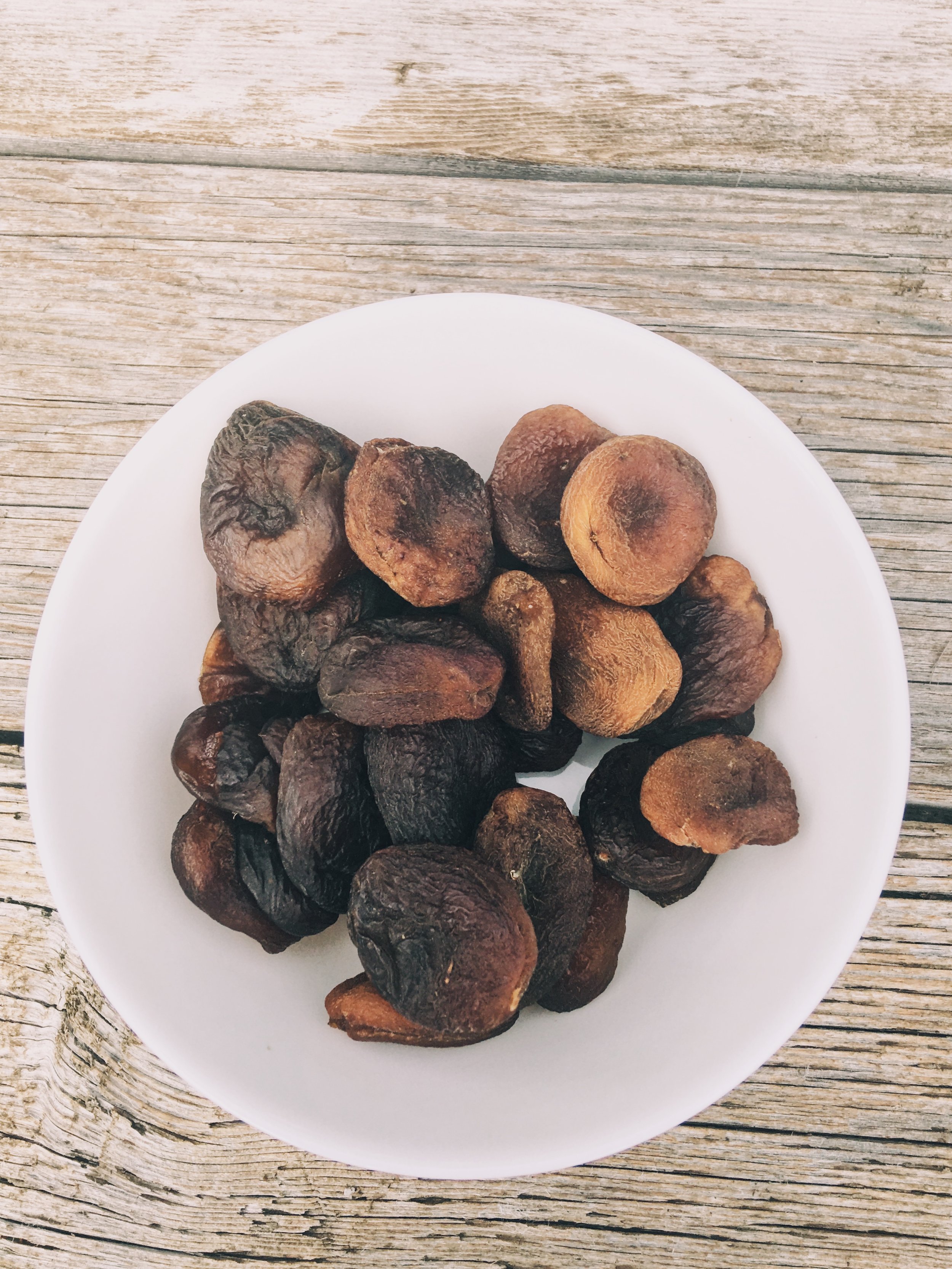
Dried Apricots and other fruits - 600 milligrams per 1/2 cup

Yogurt- 380-500 milligrams per cup


Avocado
Tags potassium, minerals, healthy living, RDA, potassium rich foods, clean living, wellness, recipes
Comment
Liver

Why I promote liver for nutritional balancing...

June 29, 2016

Like so many experts, I believe that well sourced liver is one of the most nutrient-dense foods on the planet. 100 years ago liver was a staple in the American household.  I believe it's time to get back to our traditional ways of growing, preparing and eating foods. 

What are the benefits of eating liver?
Liver is one of the most concentrated sources of Vitamin A (Retinol)

Liver has an abundance of all the vitamin B's and in particular Vitamin B12 and Folate

Liver also contains: Vitamins D, E, K 

Liver contains micronutrients that are bio-available/usable: Iron, Copper & Zinc, Selenium, Phosphorus

Liver is an excellent source of the enzyme CoQ10

Liver Misconceptions

People commonly ask me if liver is toxic since their understanding is that the liver is a storage place for toxins.  It is true that one of the liver's roles is to act as a filter for toxins, but it certainly does not store them. The Liver's role is to break down harmful substances (toxins), excrete them into the bile or blood where they enter the intestine and hopefully leave the body in the feces. Typically, toxins that are not excreted via the feces are stores in fat cells or the central nervous system. 

Another misconception is that liver's concentrated levels of Vitamin A (retinol) can be harmful. I believe this to be untrue and unfounded. Liver is one of the very best sources of naturally - balanced Vitamin A (Retinol) and it's fat-soluble co-factors. Many believe that our modern diet has left people deficient in Vitamin A (retinol). Vitamin A from vegetables must be converted from Beta-Carotene to Retinol and the conversion ratio, according to experts, is not that great- as low as 8%.  The lack of Vitamin A retinol has been shown to contribute to weak immune systems and poor vision.  Recent hysteria and hype surrounding Vitamin A toxicity came from studies using high doses of "synthetic" Vitamin A and in concentrated doses.  These toxic concentrated forms of Vitamin A did not contain the naturally occurring fat soluble Vitamins D, E and K2 found in liver.  Isn't nature amazing?  Like the saying goes, "Just Eat Real Food"

How do I buy Liver?

Sourcing is key.  Make sure it is grass-fed/pasture raised liver that has been raised primarily on grass with lots of sunshine.  A great source to find well-sourced meats is through a website called eatwild.com.  You will find many sources in your area.  I encourage you to visit some of these places close to you, ask questions, and get to know your farmers and ranchers.  

How often and how much liver should I eat?

The Weston Price Foundation recommends eating 4 ounces of well-sourced liver once per week. This will give you a wonderful dose of all the many nutrients that naturally accompany this superfood. Of course, if you just can't stomach eating liver you can purchased a well-sourced desiccated liver supplement. 

How do I prepare Liver?

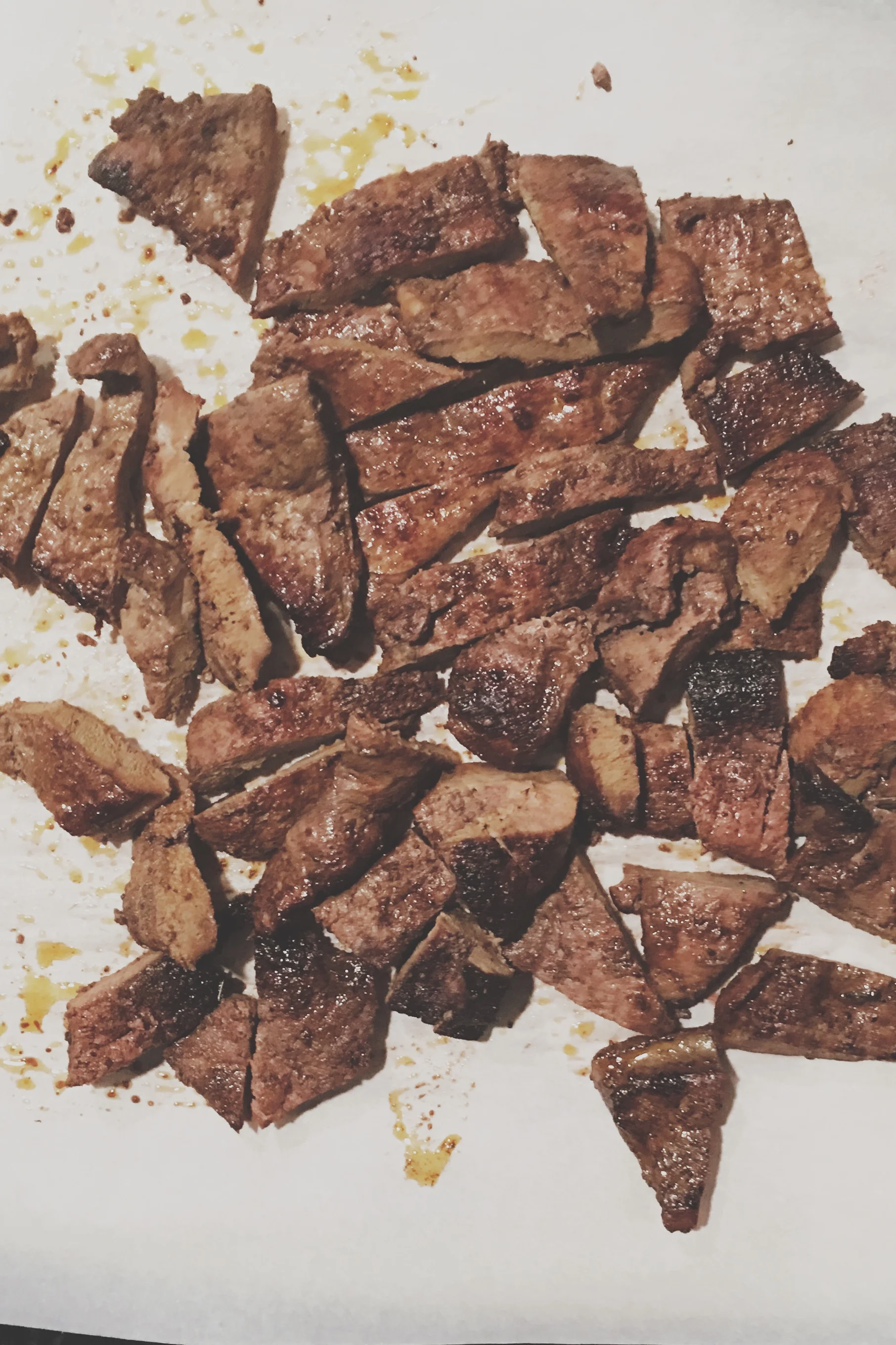
There are so many recipes on the internet.  Many prefer just to fry it up in a cast iron skillet with spices and others prefer to soak the raw liver in milk and fry it up with liver and onions.  Seems as if every culture has a different way of preparing liver, so I encourage you to explore some recipes and see what wets your palate.  My favorite way to eat liver is as a snack.  I fry mine in grass-fed Ghee, loaded with cayenne, cumin, celtic salt and pepper.  I cook it on both sides - well done- then I cut it into snack size pieces and divide into 2 ounce packages and freeze.  I then pull out a package twice a week and eat the liver as a snack.

If you are already eating liver or decide to embark and add this wonderful superfood to your nutrition plan, let me know how you like it, and what recipe is your favorite. 

Be blessed and well nourished!

liver chopped
Tags liver, cooking liver, nutritional balancing, wellness, healthy eating, recipes, minerals, vitamins, healthy meals
1 Comment

Basic Homemade Laundry Detergent

June 22, 2016
We all know how many harsh chemicals are added to commercial laundry soaps, even the so-called natural and organic laundry detergents have ingredients that are known to be toxic.  Not to mention the harm that some of these chemicals are doing t…
IMG_2631.JPG
Laundry Detergent Recipe
Tags laundry detergent, baking soda recipes, washing soda recipes, DIY Laundry, DIY, Healthy living, wellness, Detergent
1 Comment

Latest Posts

Featured
Pellentesque Risus Ridiculus
October 17, 2026
Pellentesque Risus Ridiculus
October 17, 2026

Vivamus pellentesque vitae neque at vestibulum. Donec efficitur mollis dui vel pharetra.

Read more →
October 17, 2026
Porta
October 10, 2026
Porta
October 10, 2026

Praesent id libero id metus varius consectetur ac eget diam. Nulla felis nunc, consequat laoreet lacus id.

Read more →
October 10, 2026
Etiam Ultricies
October 3, 2026
Etiam Ultricies
October 3, 2026

Donec id justo non metus auctor commodo ut quis enim. Mauris fringilla dolor vel condimentum imperdiet.

Read more →
October 3, 2026
Vulputate Commodo Ligula
September 26, 2026
Vulputate Commodo Ligula
September 26, 2026

Commodo cursus magna, vel scelerisque nisl consectetur et. Donec id elit non mi porta gravida at eget metus.

Read more →
September 26, 2026
Elit Condimentum
September 19, 2026
Elit Condimentum
September 19, 2026

Lorem ipsum dolor sit amet, consectetur adipiscing elit. Vestibulum id ligula porta felis euismod semper.

Read more →
September 19, 2026
Aenean eu leo Quam
September 12, 2026
Aenean eu leo Quam
September 12, 2026

Quisque iaculis facilisis lacinia. Mauris euismod pellentesque tellus sit amet mollis.

Read more →
September 12, 2026
Cursus Amet
September 5, 2026
Cursus Amet
September 5, 2026

Sed purus sem, scelerisque ac rhoncus eget, porttitor nec odio. Lorem ipsum dolor sit amet.

Read more →
September 5, 2026
Pellentesque Risus Ridiculus
August 29, 2026
Pellentesque Risus Ridiculus
August 29, 2026

Vivamus pellentesque vitae neque at vestibulum. Donec efficitur mollis dui vel pharetra.

Read more →
August 29, 2026
Porta
August 22, 2026
Porta
August 22, 2026

Praesent id libero id metus varius consectetur ac eget diam. Nulla felis nunc, consequat laoreet lacus id.

Read more →
August 22, 2026
Etiam Ultricies
August 15, 2026
Etiam Ultricies
August 15, 2026

Donec id justo non metus auctor commodo ut quis enim. Mauris fringilla dolor vel condimentum imperdiet.

Read more →
August 15, 2026

Powered by Squarespace